Last updated: 6 October 2026 · Remedies Beauty Editorial
Quick answer: The skin barrier is the outermost layer of skin, built from cells and lipids such as ceramides, cholesterol and fatty acids, that holds water in and keeps irritants out. In a UK winter, cold wind and central heating dry it out. A barrier repair routine means gentle cleansing, a ceramide-rich moisturiser, fewer actives and a richer layer where skin is driest.
From October, many people in the UK notice the same pattern: skin that felt fine in summer now feels tight after washing, makeup clings to dry patches and a favourite serum starts to sting. That is usually the barrier asking for a simpler routine. The good news is that barrier support is not complicated or expensive. It is mostly about doing less, more gently, and choosing a moisturiser that suits your skin.
Why UK winters are hard on skin
- Cold, windy air holds less moisture and increases water loss from the skin.
- Central heating lowers indoor humidity, so skin keeps drying out even indoors.
- Hot showers and baths feel good when it is cold but strip natural oils.
- Hard water, common across much of England, can leave skin feeling tighter after washing for some people.
- Layering more products to "fix" dryness, especially exfoliating acids, can make irritation worse.
Signs your barrier needs support
- Tightness within minutes of cleansing.
- Flaking or rough patches, especially around the nose, cheeks and mouth.
- Products that used to feel fine now sting or burn.
- Redness or a "hot" feeling after washing.
- Skin that looks dull but feels both dry and oily.
If you have very red, itchy, cracked or weeping skin, or you think you may have eczema or another skin condition, the NHS guide to atopic eczema explains when to see a pharmacist or GP. The routine below is general cosmetic advice for dry, uncomfortable skin and is not a treatment for any condition.
The winter barrier routine, step by step
Morning
- Rinse or cleanse gently. Lukewarm water, or a soap-free, fragrance-free cleanser if you wore heavy skincare overnight.
- Hydrating layer (optional). A simple toner or essence with glycerin, panthenol or hyaluronic acid, pressed in with the hands.
- Moisturiser. A ceramide cream applied to slightly damp skin.
- Sun protection. Daily sunscreen if you spend time outdoors.
Evening
- Cleanse once, gently. If you wear makeup, a cleansing balm or milk followed by a gentle cleanser is fine; avoid scrubbing.
- Pause strong actives. While skin is irritated, skip exfoliating acids, scrubs and retinoids.
- Moisturise generously. Use the same ceramide cream, or a richer one at night.
- Seal dry spots. A thin layer of a balm on very dry patches, the corners of the nose or around the mouth.
Body and hands
- Keep showers short and warm rather than hot.
- Pat dry and apply an emollient lotion or cream straight after washing, while skin is still slightly damp. The NHS emollients guide recommends smoothing emollients on in the direction of hair growth rather than rubbing.
- Reapply hand cream after every hand wash.
Key barrier ingredients
| Ingredient | What it does | Where you will see it |
|---|---|---|
| Ceramides | Lipids naturally found in the skin's outer layer that help limit water loss | Barrier creams and lotions |
| Cholesterol and fatty acids | Work alongside ceramides in the skin's lipid layers | "Biomimetic" or "lipid" creams |
| Glycerin and hyaluronic acid | Humectants that attract and hold water | Toners, serums, moisturisers |
| Urea | Humectant; at higher strengths also softens rough skin | Body lotions and hand creams |
| Panthenol (pro-vitamin B5) | Conditions and soothes the feel of dry skin | Balms and calming creams |
| Petrolatum, shea butter, squalane | Occlusives and emollients that form a protective layer | Balms and rich night creams |
Products to compare (UK prices)
These are real fragrance-free products from our catalogue, chosen for a simple barrier routine. Prices were checked on 6 October 2026; the product cards at the end of the guide show current prices.
| Product | Step | Size | Price |
|---|---|---|---|
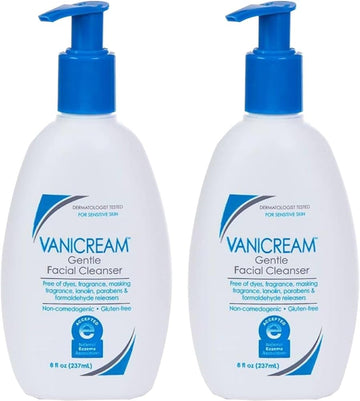
| Vanicream Gentle Facial Cleanser | Soap-free cleanser | 2 x 8 fl oz (237 ml) | £35.19 |
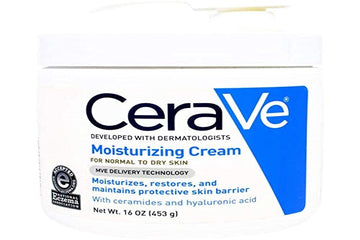
| CeraVe Moisturising Cream (pump) | Face and body moisturiser with ceramides | 16 oz (453 g) | £27.92 |
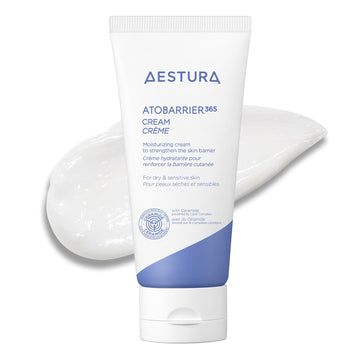
| AESTURA ATOBARRIER365 Ceramide Face Cream | Ceramide face cream | 80 ml | £44.23 |
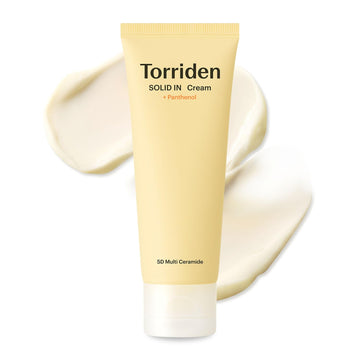
| Torriden SOLID IN Ceramide Cream | Lighter ceramide cream with panthenol | 70 ml | £43.21 |
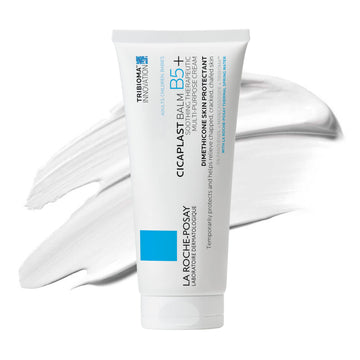
| La Roche-Posay Cicaplast Balm B5 | Balm for very dry spots | 100 ml | £36.83 |
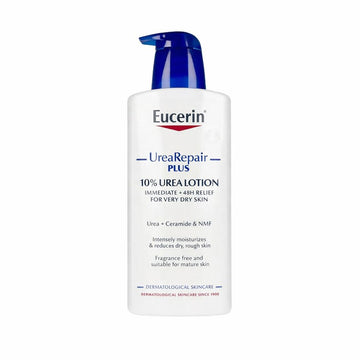
| Eucerin Complete Repair Emollient Lotion 10% Urea | Body lotion | 400 ml | £52.36 |
| La Roche-Posay Lipikar AP+MAX Moisturising Cream | Face and body cream for very dry skin | 400 ml | £34.04 |
You do not need everything here. A gentle cleanser plus one well-tolerated moisturiser is a complete barrier routine. Add a balm only for the driest areas.
Common winter mistakes
- Exfoliating flakes away. Scrubbing dry flakes removes them for a day but irritates the skin underneath. Moisturise instead and let them shed.
- Switching everything at once. If skin reacts, you will not know which product caused it. Change one product at a time.
- Fragranced "comfort" products. Scented body creams can feel lovely but may sting irritated skin. Choose fragrance-free on the face while recovering.
- Licking dry lips. It makes them drier. Use a plain balm instead.
A safety note on emollients and fabric
The MHRA warns that emollient creams can soak into clothing, bedding and dressings and, once dried on, make fabric burn more easily. This applies to paraffin-based and paraffin-free products. If you use emollients on large areas of skin, keep away from naked flames and cigarettes and change and wash clothing and bedding regularly. See the GOV.UK guidance on the safe use of emollient skin creams.
For more on routines for dry skin and layering, read our skincare routine for dry skin and our guide to AHA, BHA and PHA exfoliating acids for when you are ready to reintroduce actives.
Frequently asked questions
How do I know if my skin barrier is damaged?
Common signs are tightness after cleansing, flaking, rough patches, redness, and products that suddenly sting or burn, even ones you have used for years. These signs often appear in winter when cold air outside and central heating inside both dry the skin.
How long does it take to repair the skin barrier?
Many people notice their skin feels more comfortable within one to two weeks of switching to a gentle routine, but it can take around four weeks or longer for skin to settle fully. If dryness is severe, cracked or not improving, speak to a pharmacist or GP.
Should I stop using retinol and acids in winter?
You do not have to stop permanently, but pausing strong exfoliating acids, scrubs and retinoids while your skin is irritated gives the barrier a chance to recover. Reintroduce them slowly, a couple of nights a week, once skin feels comfortable again.
Is urea good for dry skin?
Urea is a humectant that helps skin hold water. Low percentages (around 5–10%) are common in body lotions for dry, rough skin. Higher percentages are more exfoliating and usually meant for very rough areas such as heels, not the face.
Do I still need sunscreen in a UK winter?
Daylight UV is lower in winter, but it is not zero. If you are outdoors for long periods, near snow or using exfoliating products, daily sun protection on the face is still sensible.
Sources
- NHS: Emollients
- British Association of Dermatologists: emollient use in skin conditions
- GOV.UK / MHRA: safe use of emollient skin creams
- NHS: Atopic eczema
Shop the edit
Browse Skin barrier repair, dry skin, moisturisers, soothing & redness-prone skin and hand cream. Every order includes free UK delivery and 30-day returns on unopened items.