Last updated: 6 October 2026 · Remedies Beauty Editorial
Quick answer: PDRN (polydeoxyribonucleotide) and PN (polynucleotides) are both purified DNA fragments, traditionally from salmon. The difference is chain length: PDRN uses shorter, lower-molecular-weight fragments, while PN uses longer ones. In the UK, PN mostly means a clinic injection; PDRN appears in serums, toners and creams that work on the skin's surface.
"Salmon DNA" skincare has moved from Korean beauty forums to UK high streets in under two years, and clinics now advertise polynucleotide "skin boosters" alongside it. The names overlap so much that it is easy to assume a £30 serum and a clinic injection do the same job. They do not. This guide sets out what each term means, what you can reasonably expect from topical products, and how to read a label so you know what you are buying.
The three terms, side by side
| Term | What it is | Typical source | How it is used in the UK | What to expect |
|---|---|---|---|---|
| PDRN | Polydeoxyribonucleotide: short, lower-molecular-weight DNA fragments | Salmon or trout DNA (INCI often "sodium DNA") | Mainly topical skincare; also some clinic products | As a cosmetic: hydration, comfort, a smoother-looking surface |
| PN / polynucleotides | Longer DNA chains with a higher molecular weight | Salmon or trout DNA | Mostly injected by practitioners as a "skin booster" | A clinic procedure with its own risks, cost and aftercare |
| c-PDRN | A trademarked cosmetic form of PDRN used by the Korean brand REJURAN | Salmon DNA | Topical serums, toners and creams | Same as topical PDRN: a cosmetic, surface-level effect |
| Plant or "vegan PDRN" | Plant extracts (for example ginseng, rice, matcha, rose) marketed under the PDRN name | Plants, not salmon | Topical skincare | Depends on the whole formula; not salmon DNA |
The difference between short and long chains is explained clearly in The INKEY List's guide to PDRN injections versus topical PDRN, which also notes that large molecules have limited penetration when applied to the skin.
Injections and skincare are different categories
This is the single most important point for UK shoppers. When a clinic injects polynucleotides, the product is placed into the skin by a practitioner. When you apply a PDRN serum, it sits on the surface and the outer layers. That is why topical products should be judged as cosmetics: do they make your skin feel hydrated, comfortable and smoother-looking? Research on injected PN and PDRN is not evidence that a serum will do the same.
Remedies Beauty sells topical skincare only. We do not sell injectable products, and nothing in this guide is medical advice.
PDRN skincare to compare (UK prices)
These are real products from our catalogue. We have noted the PDRN source as stated by each brand. Prices were checked on 6 October 2026; the product cards at the end of this guide show current prices.
| Product | Type and size | PDRN source (brand claim) | Price |
|---|---|---|---|
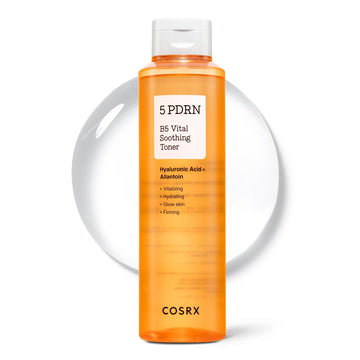
| COSRX 5 PDRN B5 Vital Soothing Toner | Toner, 9.46 fl oz (280 ml) | Salmon-derived DNA with panthenol | £28.15 |
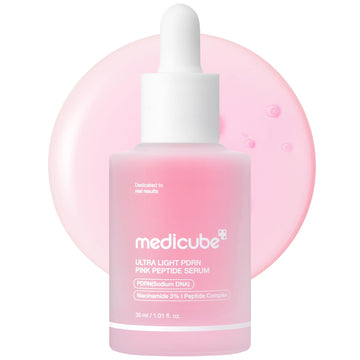
| medicube PDRN Pink Peptide Serum | Serum, 1.01 fl oz (30 ml) | Salmon DNA with hyaluronic acid and niacinamide | £29.88 |
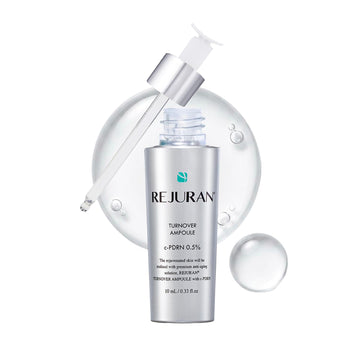
| REJURAN Turnover Ampoule (travel) | Serum, 10 ml | 0.5% c-PDRN (salmon) | £32.02 |
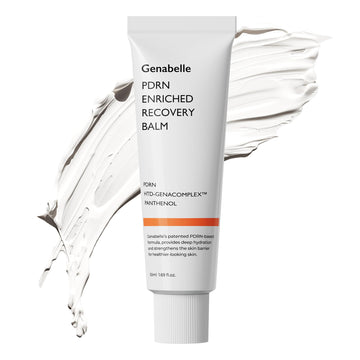
| Genabelle PDRN Enriched Recovery Balm | Balm, 50 ml | 5,000 ppm PDRN listed as sodium DNA | £37.31 |
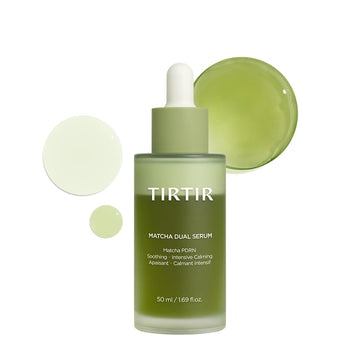
| TIRTIR Matcha Dual PDRN Serum | Two-layer serum | Plant-derived matcha "PDRN" with 5% niacinamide | £41.17 |
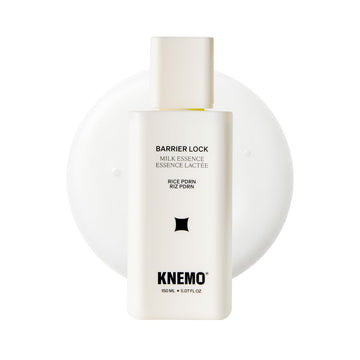
| KNEMO Rice PDRN Milk Essence Barrier Lock | Milky toner-essence | Rice-derived "PDRN" with six ceramides | £40.16 |
Some PDRN serums also contain spicules, microscopic needle-shaped particles that create a tingling sensation. If you have sensitive skin, read our cautious guide to spicule skincare first.
How to read a PDRN label in five steps
- Find the source. Look in the ingredient list (INCI) for "sodium DNA", which usually indicates salmon or trout DNA. Words like ginseng, rice, matcha or rose next to "PDRN" in the product name point to a plant extract.
- Check the position. Ingredients are listed in descending order down to 1%. A PDRN listed after the fragrance or preservatives is present in a small amount.
- Treat ppm and percentages with care. "5,000 ppm" equals 0.5%. Brands sometimes quote the concentration of a raw-material solution rather than pure PDRN, so numbers are not always comparable between brands.
- Look at the rest of the formula. Hydrators (glycerin, hyaluronic acid, panthenol) and barrier lipids (ceramides) often do much of the visible work. Exfoliating acids or spicules change how gentle a product is.
- Ignore medical language. A cosmetic cannot claim to treat or heal. Words such as "regenerate" or "repair" describe the look and feel of skin, not a medical effect.
Adding PDRN to your routine
- Patch test on the inner arm or behind the ear for 48 hours before using a new product on your face.
- Apply a toner or essence after cleansing, then a serum, then moisturiser. PDRN products are generally layered like any hydrating step.
- Introduce one new product at a time so you can tell what your skin is reacting to.
- In the morning, finish with sunscreen as usual.
- Give a product four to six weeks before deciding whether it suits you. Skin cell turnover takes time.
For a wider view of salmon DNA skincare and the K-beauty context, see our salmon PDRN skincare guide, and for routine order see how to layer skincare actives.
If you are considering polynucleotide injections
This is outside what we sell, but because the terms are so often confused, here are sensible questions to ask before booking:
- Who will carry out the treatment, and what are their qualifications and insurance?
- Which product will be injected, and what is its regulatory status?
- What are the possible side effects, and what happens if something goes wrong?
- Have you told the practitioner about allergies (including to fish), medicines and skin conditions?
The UK government has confirmed plans for a licensing scheme for non-surgical cosmetic procedures in England, which is still being developed. You can read the background on the GOV.UK consultation page.
Frequently asked questions
Is PDRN the same as polynucleotides?
They are closely related. Both are purified DNA fragments, traditionally from salmon. PDRN (polydeoxyribonucleotide) uses shorter, lower-molecular-weight fragments, while PN (polynucleotides) uses longer chains. In UK clinics, 'polynucleotides' usually refers to an injectable treatment; in skincare, 'PDRN' is the more common label.
Does PDRN skincare work like polynucleotide injections?
No. Injections place the ingredient into the skin, whereas a serum or cream is applied to the surface, where large DNA fragments penetrate poorly. Topical PDRN products are cosmetics designed to hydrate, soothe and condition the skin's surface, and should not be expected to match a clinic treatment.
Is vegan or plant PDRN real PDRN?
Not in the original sense. Products labelled ginseng, rice, matcha or rose 'PDRN' use plant-derived extracts marketed under the PDRN name, not salmon DNA. Salmon-derived DNA usually appears on the ingredient list as 'sodium DNA'. Check the INCI list if the source matters to you.
Can I use PDRN skincare if I have a fish allergy?
Salmon-derived PDRN is highly purified, but if you have a fish allergy, check the ingredient source, consider a plant-based alternative, patch test, and ask a pharmacist or GP if you are unsure.
Are polynucleotide injections regulated in the UK?
Injectable polynucleotide products are supplied for professional use, but the licensing scheme for non-surgical cosmetic procedures in England is still being developed. Choose a qualified, insured practitioner, ask exactly which product is being used, and take time to consider the risks before booking.
Sources
- The INKEY List: PDRN injections vs topical PDRN
- GOV.UK: licensing of non-surgical cosmetic procedures
- GOV.UK: making cosmetic products available to consumers in Great Britain
Shop the edit
Browse PDRN & salmon DNA skincare, face serums, toners, medicube and VT Cosmetics. Every order includes free UK delivery and 30-day returns on unopened items.