
Choose the quantity you need; pack contents are described in the product details.

Nourkrin
Nourkrin Stress and Hair Growth Guide — Cortisol-Induced Hair Growth Disruption (Live) — Causes & Recovery Timeline
Check the exact product, pack and directions before ordering
£78.01
Available to order with free standard UK delivery.
Free shipping
Secure checkout
30-day returns: check eligibility
Free standard UK delivery with no minimum order.
Free shipping
iFree standard UK delivery. See shipping estimates and tracking details in our shipping policy.
Easy returns
iContact us for a free return label for eligible items within 30 days.
Peak-demand shipping delays
iDuring high demand, deliveries may experience short carrier delays. Tracking updates remain active for every order.
Email customer support
Email us about products, delivery or returns. We aim to reply within one business day.
Terms quick view
30-day returns for eligible items; see the return policy.
Orders include free shipping. Returns and service terms may vary by item eligibility and destination.
Product details
High stress and elevated cortisol levels can disturb the normal hair growth cycle, often accelerating shedding and delaying new growth.
Every hair follows a rhythm of growth (anagen), transition (catagen) and rest/shedding (telogen). When the body experiences prolonged stress, cortisol and related physiological changes can shift more hairs into the resting phase, increasing visible thinning and slower replacement. Understanding this connection helps you recognize patterns and choose supportive care while addressing the root causes of stress.
How does stress change the hair growth phases?
Stress can alter signaling in the scalp and hair follicles, prompting a higher proportion of hairs to enter telogen (resting) sooner than expected. This leads to a delayed but noticeable increase in shedding a few months after a stressful event.
- More follicles prematurely switch from growth to resting phase.
- Shedding typically appears 2–4 months after acute stress episodes.
- Chronic stress can extend time spent out of the active growth phase.
What physical pathways link cortisol to hair disruption?
Cortisol and stress hormones influence immune activity, blood flow and nutrient delivery to the scalp. These changes can disturb the microenvironment that hair follicles need to sustain regular growth, making replacement slower and shedding more pronounced.
- Cortisol can affect scalp inflammation and local immune responses.
- Stress may reduce microcirculation, limiting oxygen and nutrient supply.
- Hormonal shifts can interrupt signaling that maintains the anagen phase.
When will I notice stress-related hair changes?
Hair cycle effects are not immediate; most people observe increased shedding or thinner density two to four months after a stressful period. Recovery timelines vary and depend on stress duration, individual physiology and lifestyle factors that support regrowth.
- Significant shedding often begins several months after the triggering stress.
- Reducing stress and improving scalp health can gradually restore normal cycling.
- If stress persists, the disrupted pattern can continue or recur.
What practical steps support healthier hair cycling during stress?
Combining lifestyle adjustments with targeted scalp care can create a better environment for follicles to return to a normal growth phase. Addressing sleep, diet and stress responses helps complement topical or nutritional support without promising cures.
- Prioritize sleep, balanced nutrition and hydration for follicle function.
- Manage stress through mindfulness, movement or professional support.
- Use gentle scalp care and consider supplements or products designed for hair support.
Who is this for: This overview is aimed at people noticing increased shedding, reduced hair density or delayed regrowth after stressful periods, and anyone seeking evidence-informed ways to support hair health alongside stress management. It is also useful for caregivers and clinicians looking for a concise explanation of how cortisol-related processes can affect the hair growth cycle. If shedding is sudden, severe, or accompanied by other symptoms, consult a healthcare professional for personalized assessment.
FAQ
Q: Can stress alone cause hair loss?
A: Yes; significant or prolonged stress can push more hairs into the resting phase, increasing shedding several months later.
Q: How long until hair returns to normal after stress?
A: Recovery varies, but many see improvement within 3–6 months if stress is managed and scalp health is supported.
Recently viewed products
Product quick view
Product
Added to cart
More from this collection
More from Hair Growth & Thickening — 10% off everything, free UK delivery.
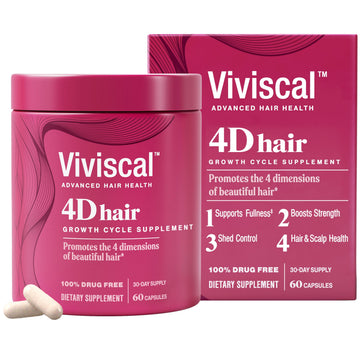
Viviscal 4D Hair Growth Supplements for Women, 60-Co...
£82.90

UFNA Batana Oil Hair Growth Serum 60ml — Lightweight...
£30.00
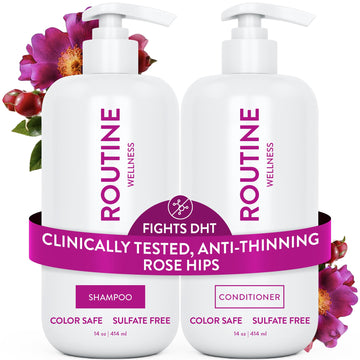
Routine Wellness Anti-Thinning Shampoo & Conditioner...
£62.53
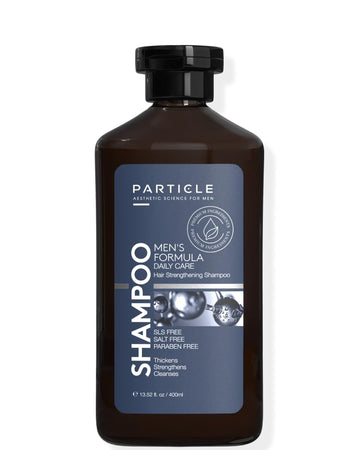
Particle Hair Thickening Shampoo for Men — 400 mL da...
£36.09
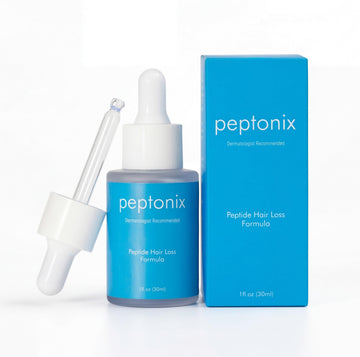
Peptonix Copper Peptide Hair Growth Serum with Ginse...
£47.23
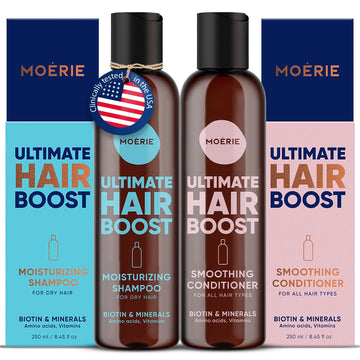
Moerie Hair Growth Shampoo & Conditioner Set 2 x 8.4...
£70.63